故事梗概 Logline
卖房中介刘类,把手上的空房当临时的家。在台风前夜,他偶遇四海为家的旅人小叶进屋避雨。在雨季的房子里,困守与漂泊彼此照面,两条不同写的命运轨迹短暂的叠合又离散。
Real estate agent Liu Lei uses unsold apartments as his temporary home. On the eve of a typhoon, he encounters Xiao Ye — a wanderer who has made the world his home — and invites her inside to take shelter from the rain. Within the house during the rainy season, confinement and drifting meet face to face: two lives written on different paths briefly overlap before parting again.


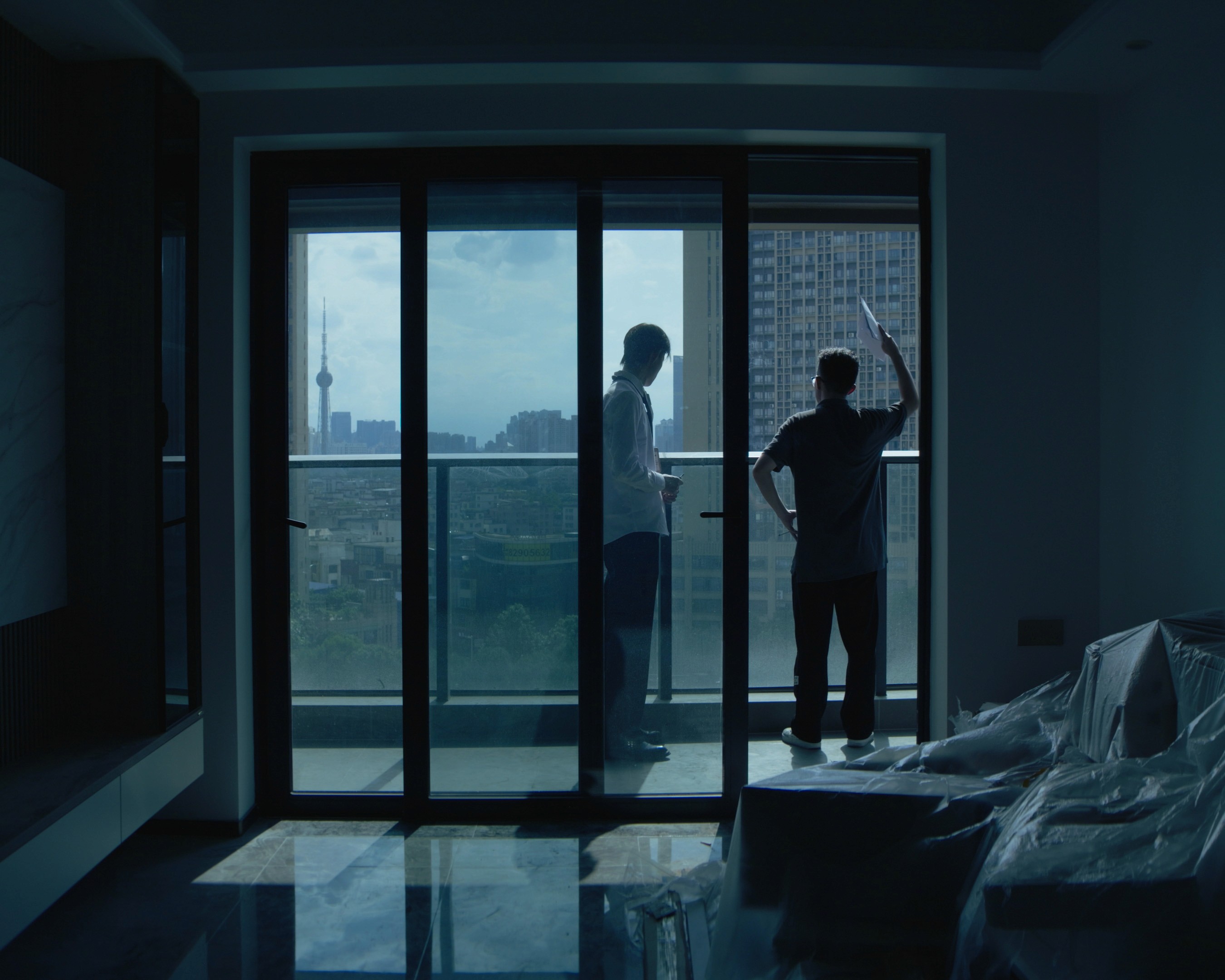
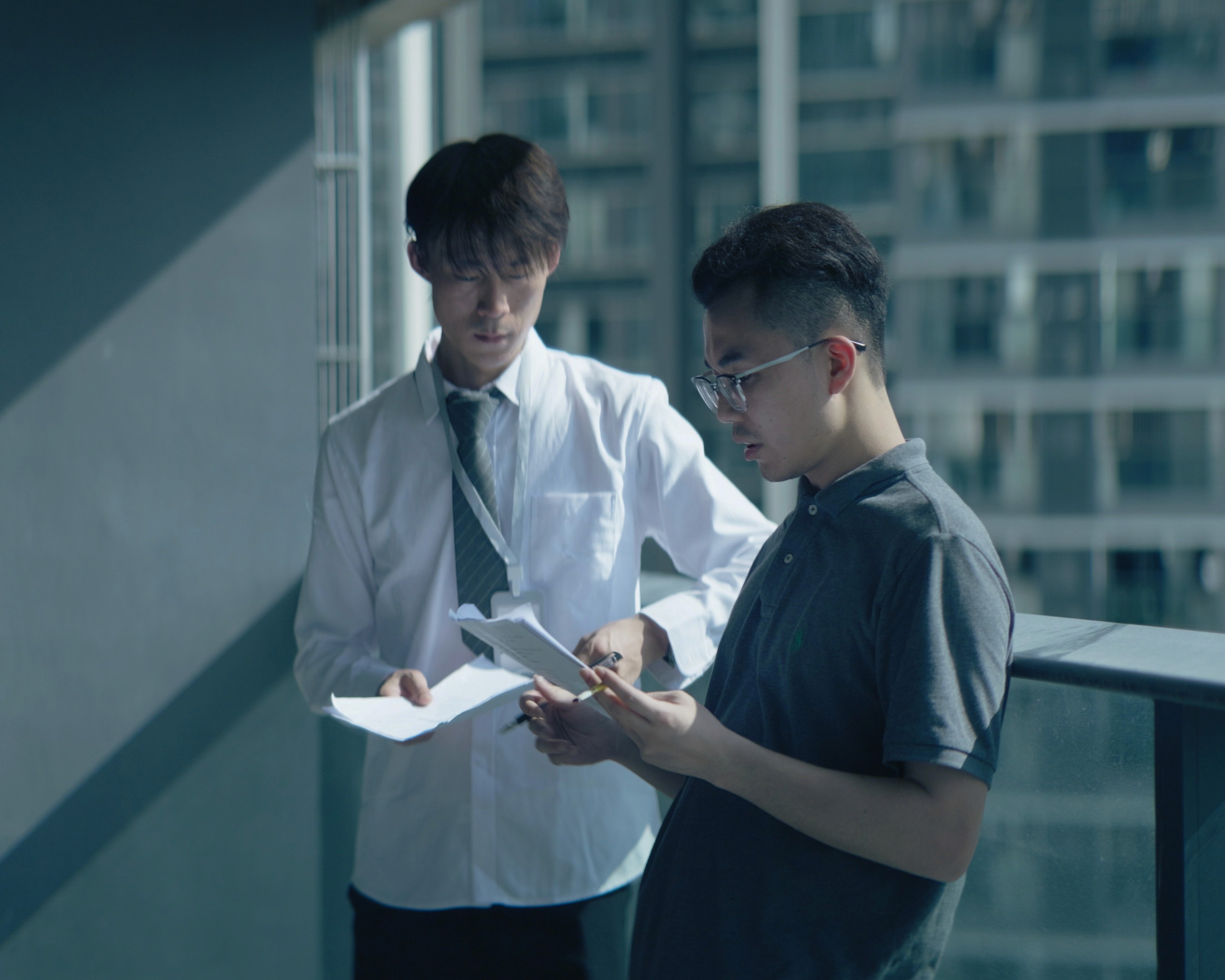
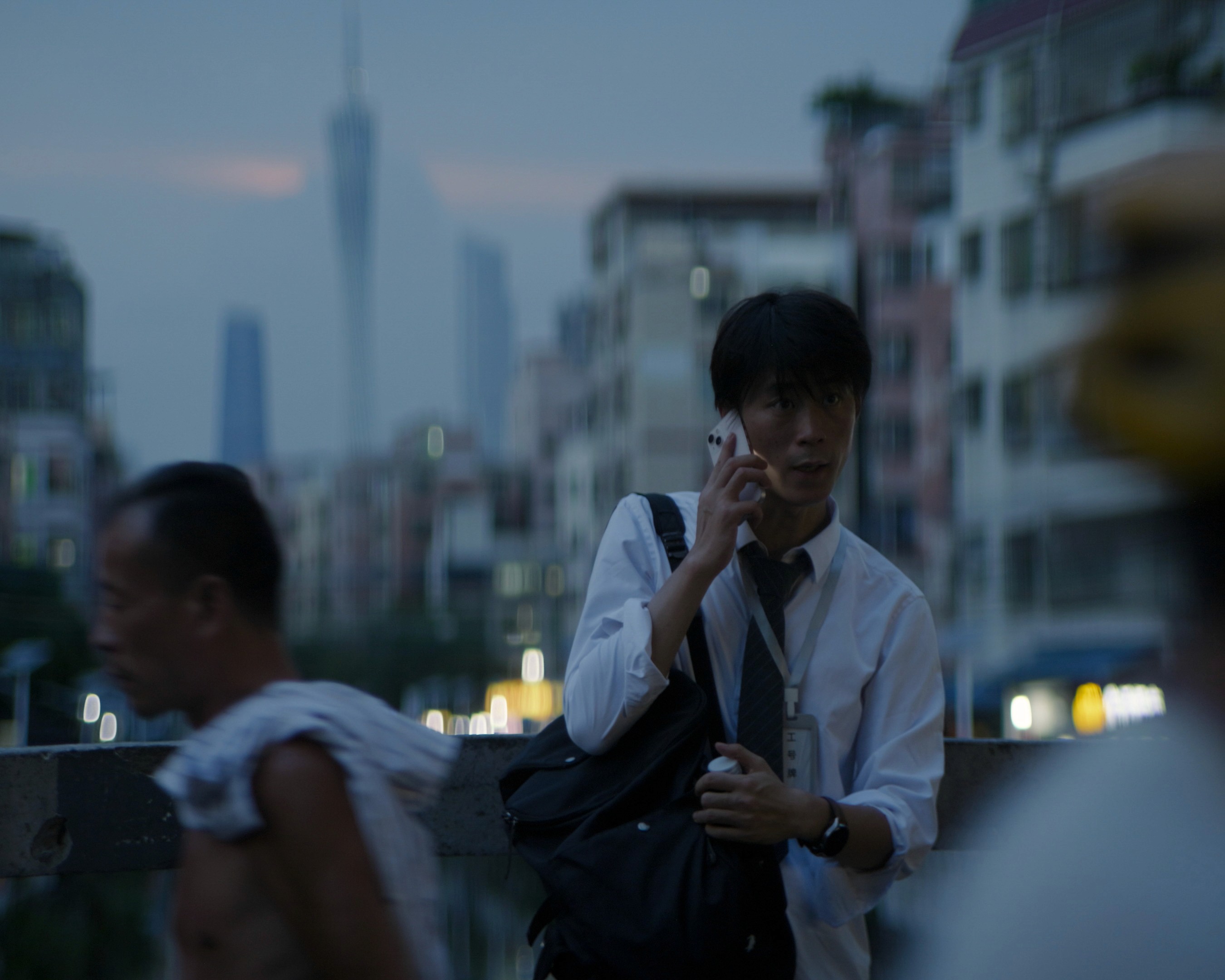

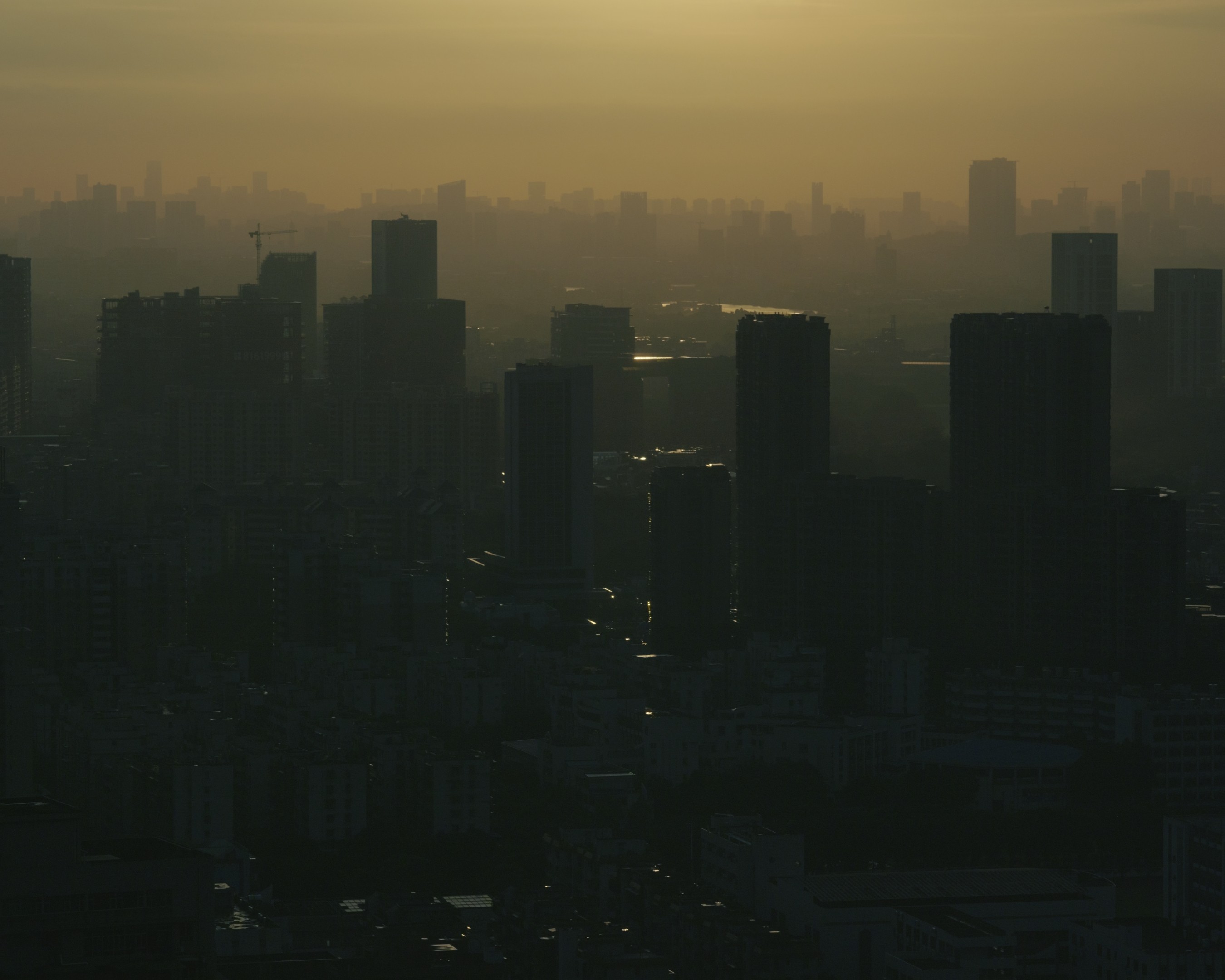

关于制作 About the Production
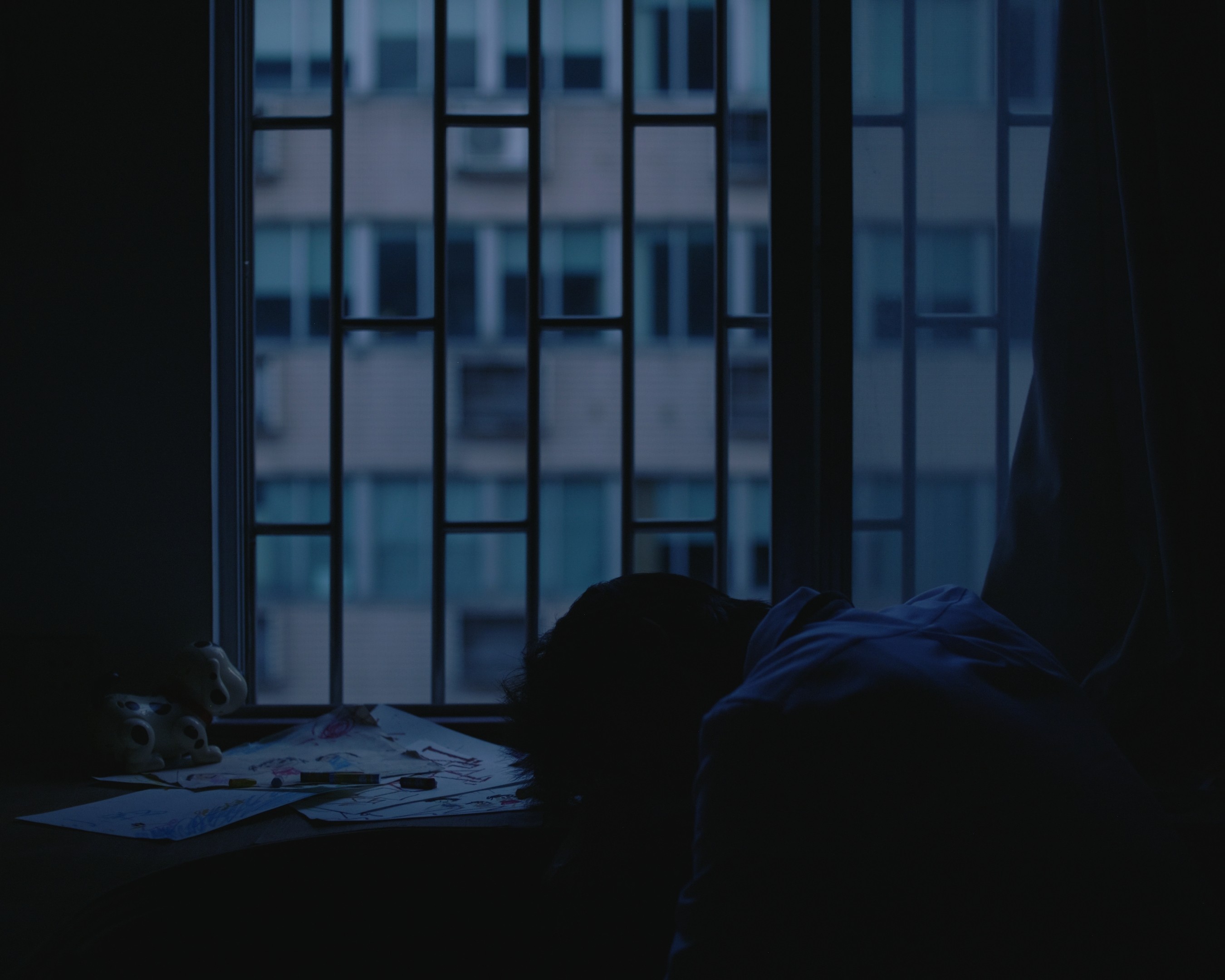
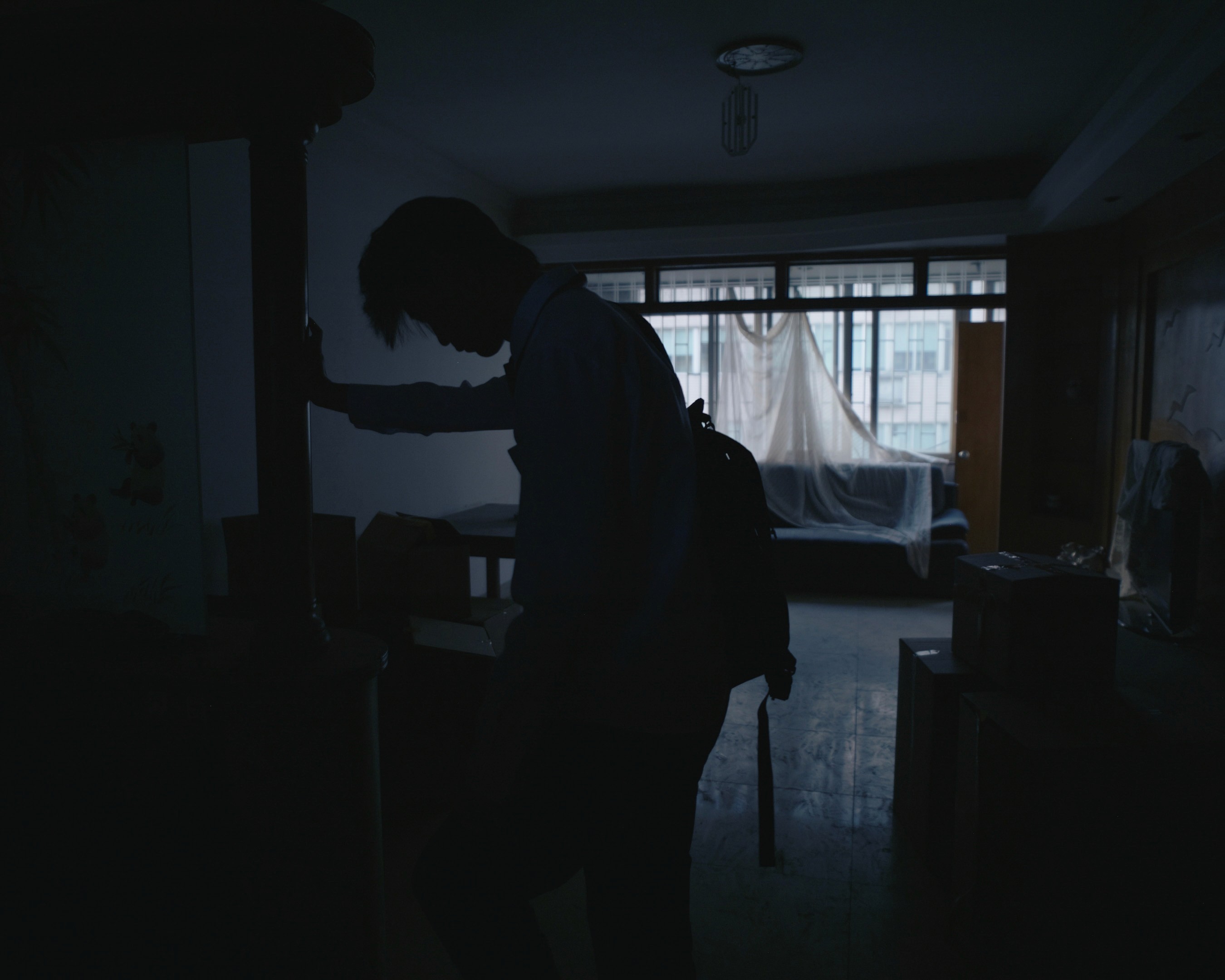
该影片拍摄于2025年十月,刚结束了前期拍摄。以上静帧仅为初步挑选的极小一部分内容和场景,且只做了简单的颜色调整。更多内容将在后期更新。成片预估为25-30分钟,包含大量的场景变化。
The film was shot in October 2025 and has just completed principal photography. The stills above represent only a small selection of preliminary scenes, with minimal color adjustments applied. More content will be updated later in post-production. The final film is expected to run approximately 25–30 minutes and will feature a wide range of visual environments.
关于摄影 About the Cinematography
摄影机 Camera - Lumix S5MII X (Open Gate)
镜头 Lens - Blazar Mantis 1.33x Anamorphic & DZOFilm Vespid Prime
在画幅上,我们选择了窄于常规比例的5:4。在叙事上,”房子“”空间“是影片的重要元素和感知。主角刘类生活工作于一个压抑和迷失的空间 —— 因此一个视线更窄的比例能形成一种空间的紧密感甚至窒息感。
整部影片分别用了常规的定焦组(DZOFilm)以及变形宽荧幕(Blazar)两种不同风格的镜头叙事,分别对应不同的情绪和环境。变宽拥有着极强的风格化,在焦外和畸变上尤其显著。但这次我并没有常规地使用变宽和摄影机:为了适配5:4的画幅,我们将摄影机竖向组装,在Open Gate的拍摄模式下,横向安装了变宽镜头。这样既汲取了变宽的风格化,同时避免了变宽的横向拉伸。
In terms of aspect ratio, we chose 5:4 — a frame narrower than the conventional widescreen format. Narratively, “house” and “space” are key motifs and perceptual anchors in the film. The protagonist, Liu Lei, lives and works in a space marked by repression and disorientation. The narrower frame thus evokes a sense of confinement, even suffocation.
The film alternates between two distinct visual languages: conventional prime lenses (DZOFilm) and anamorphic widescreen lenses (Blazar), each corresponding to different moods and settings. The anamorphic lenses offer a highly stylized look, particularly in their bokeh and distortion. However, we used them in an unconventional way — by mounting the camera vertically in Open Gate mode and attaching the anamorphic lens horizontally. This approach retains the stylized character of anamorphics while avoiding the typical horizontal stretch.